The Nominating Committee (NomCom) for the 2027–2028 selection round was established as an independent committee under Article 10 of the Africa Internet Governance Forum (AfIGF) Charter. Its mandate was to select ten members of the AfIGF Multistakeholder Advisory Group (MAG).
In accordance with Article 10, the AfIGF Secretariat (the United Nations Economic Commission for Africa and the African Union Commission) and the sitting MAG Chair evaluated the candidates. They selected the five highest-ranked nominees, one from each African subregion, to serve on the NomCom for a single selection round:
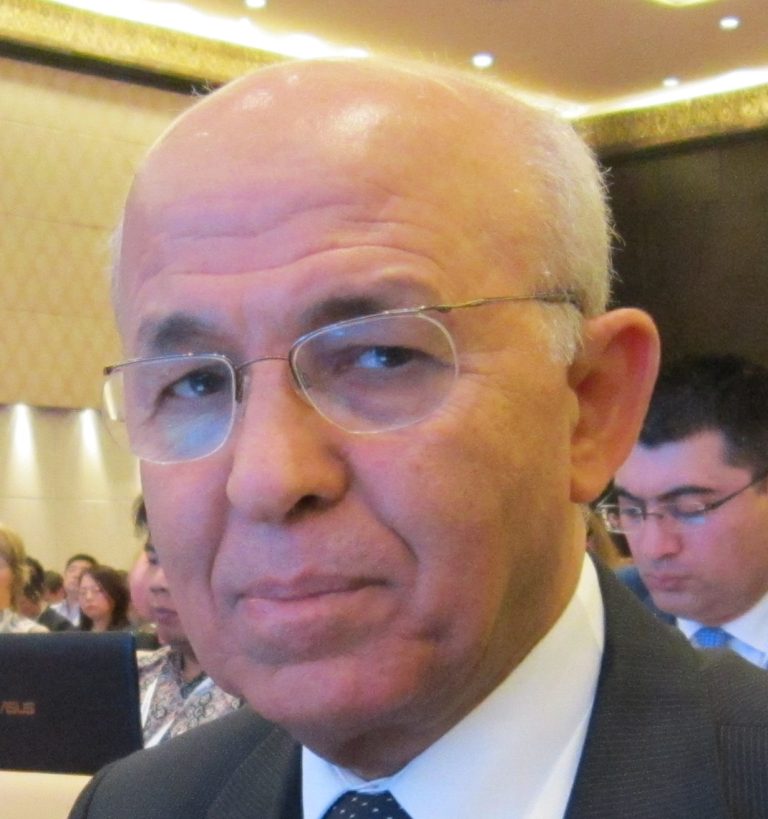
The Committee elected Mohamed Tijani Ben Jemaa as its Chair.
At the closing session of the 15th Africa Internet Governance Forum, the NomCom Chair announced the composition of the 2027–2028 AfIGF MAG. As provided for in Article 10, the NomCom was dissolved upon that announcement
Tijani BEN JEMAA is an experienced Internet Governance advocate and active contributor to the global, regional and national Internet Governance ecosystem. He has been a member of the Internet Corporation for Assigned Names and Numbers (ICANN) community since 2008, serving in several leadership roles, including Former Vice-Chair of AFRALO and ALAC, and Founder and former Co-Chair of the ICANN Middle East Space.
He has made significant contributions to the Internet Governance Forum (IGF), attending 14 of the 20 UN IGF meetings and serving as MAG Chair of the North African IGF (2022–2023) and MAG member of the African IGF (2022–2023). He is also a convener and trainer in several Schools on Internet Governance (SIGs) and has actively participated in the World Summit on the Information Society (WSIS).
His professional engagements include serving as Executive Director of the Mediterranean Federation of Internet Associations (FMAI), a Global Member of the Internet Society (ISOC), a founding and Board member of the Dot Africa Foundation, and a former member of the Public Interest Registry (PIR) Advisory Board (2023–2025). He continues to contribute to Internet governance policy and development through various international working groups and initiatives.
Yusuph Kileo is a prominent Tanzanian cybersecurity and digital forensics expert celebrated for his leadership in advancing digital resilience and ICT development across Africa. Kileo plays a key role in structuring regional policy frameworks, including the comprehensive EAC Artificial Intelligence (AI) strategy.
Beyond his regional contributions, Kileo served as a board member for the Africa ICT Alliance (AfICTA) and represents the organization to the Business Constituency of the Internet Corporation for Assigned Names and Numbers (ICANN), sitting on both its Finance Committee and DNS Abuse Working Group.
His extensive background bridges the public and private sectors, having previously served in the Cybercrime Unit of the Tanzania Police Force as well as with top firms like Deloitte Tanzania. As a specialized expert, he is also the East African representative on the advisory board of the Encryption Advocates Council.
Academically, Kileo holds a Master of Science in Information Technology from Eastern Mediterranean University and a Bachelor of Science in Computer Security from Staffordshire University. His dedication to digital safety has earned him prestigious industry awards, including being named the Africa ICT Champion and Cybersecurity Expert of the Year.
AMESSINOU Kossi was born on December 20, 1980 in Ahua-Dimbokro, Ivory Coast. He is married and the father of five children.
He is a Doctor in Information and Communication Sciences. He also holds an international Master’s degree in Development Studies and a professional Master’s degree in Design and Management of Territorial Digital Projects.
A senior executive in the Beninese civil service, he currently serves as Head of the Private Sector Monitoring and Support Department at the Ministry of Economy and Finance. Previously, he served as Director of IT and Pre-archiving as well as Project Coordinator at the Ministry of Planning and Development.
Associated researcher at the Sciences of Language and Communication Laboratory (LaSciLCom) of the University of Abomey-Calavi (Benin) and the Mediations, Information, Communication, Arts Laboratory (MICA) of the Bordeaux Montaigne University (France), he is also a member of the Internet governance community.
In parallel with his professional activities, he teaches digital issues, the Internet and digital transformation. He is Regional Director for West Africa of the African ICT Foundation and President of the NGO Women Be Free.
His research mainly focuses on mobile technologies, digital technology, Internet governance, the Internet of Things (IoT), artificial intelligence, digital currencies, big data and drones.
Onica is the Executive Director at the Global Digital Inclusion Partnership (GDIP) and an internationally recognized digital policy and inclusion leader with more than 20 years of experience advancing equitable digital transformation, ICT policy reform, connectivity strategies, and public-interest technology initiatives across Africa and globally.
She has advised governments, multilateral institutions, development agencies, regulators, and civil society organizations on digital inclusion, broadband affordability, stakeholder engagement, emerging technology governance, and rights-based digital transformation.
Previously, she led multi-stakeholder engagement across Africa for the Alliance for Affordable Internet, where she also convened the Africa Summit on Women and Girls in Technology. A recognized gender justice and digital rights advocate, she has managed and pioneered national and international campaigns and policy change processes centered on women’s rights, consumer rights, and civil rights, bringing a strong sensitivity to the dynamics affecting women and other disadvantaged populations in digital and media spaces.
She brings demonstrated expertise in multistakeholder coordination, policy development, and strategic advisory services related to meaningful connectivity, universal access, digital public infrastructure, and AI governance translating complex technology and governance issues into practical, rights-based, and consumer-protective frameworks for public institutions and development partners.
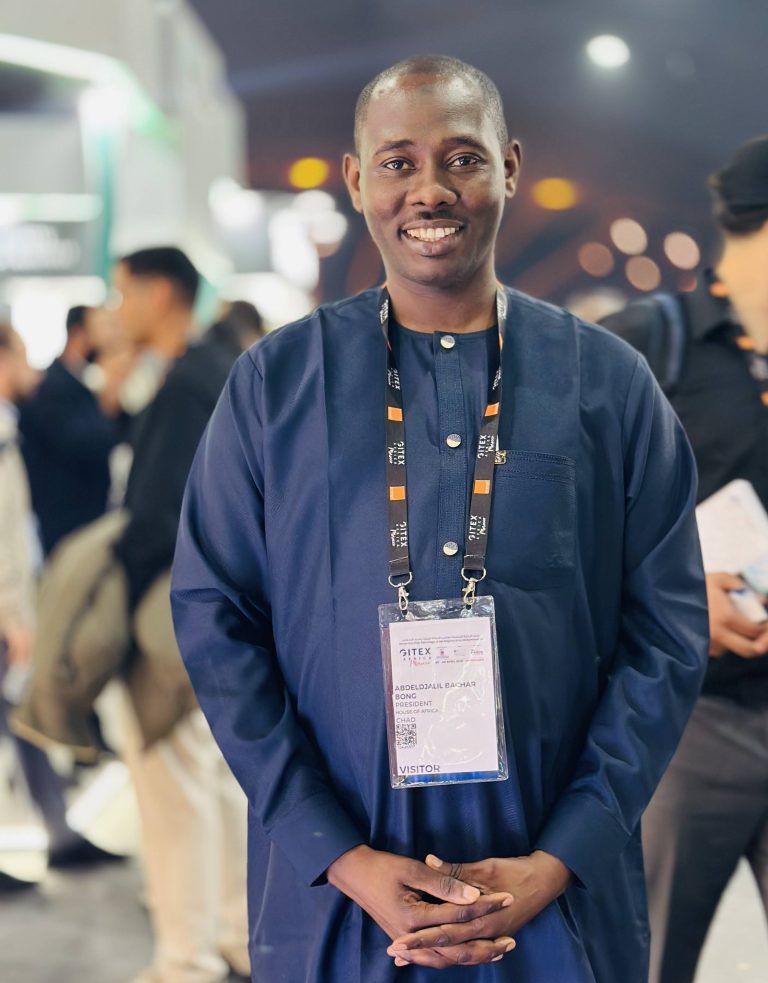
Abdeldjalil Bachar Bong is a digital rights advocate, expert in Internet governance, and an active participant in promoting an inclusive, accessible, safe, and sustainable Internet in Africa.
He is the founder and President of HOUSE OF AFRICA, a pan-African non-profit NGO based in Chad. Through this organisation, he works towards the development of information and communication technologies (ICT), digital inclusion, the empowerment of young people and women, as well as the promotion of the 17 United Nations Sustainable Development Goals and the African Union’s Agenda 2063.
Since 2014, he has been the co-founder and executive secretary of the National Forum on Internet Governance in Chad (IGF Chad). In this capacity, he supports multi-stakeholder dialogue on digital policies, digital rights, cybersecurity, universal access to the Internet, innovation, and the effective participation of Chadian communities in African and global Internet governance processes.
He is the initiator of the Chadian School of Internet Governance (TdSIG) and the Cybersecurity Day in Chad. These initiatives aim to enhance the capabilities of national stakeholders, raise awareness among young people about digital issues, and encourage a culture of security, responsibility, and online civic participation. He is a member of Study Group 2 of the Telecommunication Development Sector of the International Telecommunication Union (ITU-D), which focuses on digital transformation. The ITU-D Study Groups provide a framework for sharing experiences and developing strategies on the priorities of telecommunications and ICT in developing countries, particularly to achieve the Sustainable Development Goals.
Highly active in regional and international Internet governance spaces, he served as secretary of the African Regional At-Large Organization (AFRALO) from 2020 to 2023. AFRALO represents individual Internet users from the African region within the Internet Corporation for Assigned Names and Numbers (ICANN), the international organisation that coordinates the domain name system and unique Internet identifiers. AFRALO is part of the At-Large community, whose interests are represented within ICANN by the At-Large Advisory Committee (ALAC). He is currently the vice-president of AFRALO for the 2025–2027 term.
In 2019, he was the vice-president of the national committee responsible for organising the African Internet Governance Forum (AfIGF), held in Chad by the Government of the Republic of Chad and the African Union. This responsibility contributed to the success of this continental meeting, which brought together various stakeholders around the issues of Internet governance, digital inclusion, and the development of the African digital ecosystem. He also benefited from the AFRINIC fellowship programme in 2015, further strengthening his commitment to issues related to the development of the African Internet, the management of Internet numbering resources, and the participation of African communities in technical and governance spaces in the digital realm.
Abdeldjalil is also an elected member of the Economic, Social and Cultural Council of the African Union (ECOSOCC) for the 2024–2026 term. ECOSOCC is an advisory body of the African Union that brings together representatives from civil society and socio-professional groups to contribute, through opinions and recommendations, to the implementation and evaluation of the policies and programmes of the African Union.
As a founding member of the Internet Society Chad, he contributes to several networks and initiatives dedicated to Internet governance, community engagement, the empowerment of local stakeholders, innovation, and digital transformation in Africa. He holds a degree in telecommunications engineering from Morocco and a Master’s in Information Technologies, Networks, and Security from the University of Southern Brittany in France.
His main areas of interest include Internet governance, digital rights, cybersecurity, digital inclusion, the empowerment of women and youth, entrepreneurship, the environment, the Sustainable Development Goals, and digital transformation in Africa. Through his engagement, he helps to connect the Chadian Internet community to the African and global Internet ecosystem.